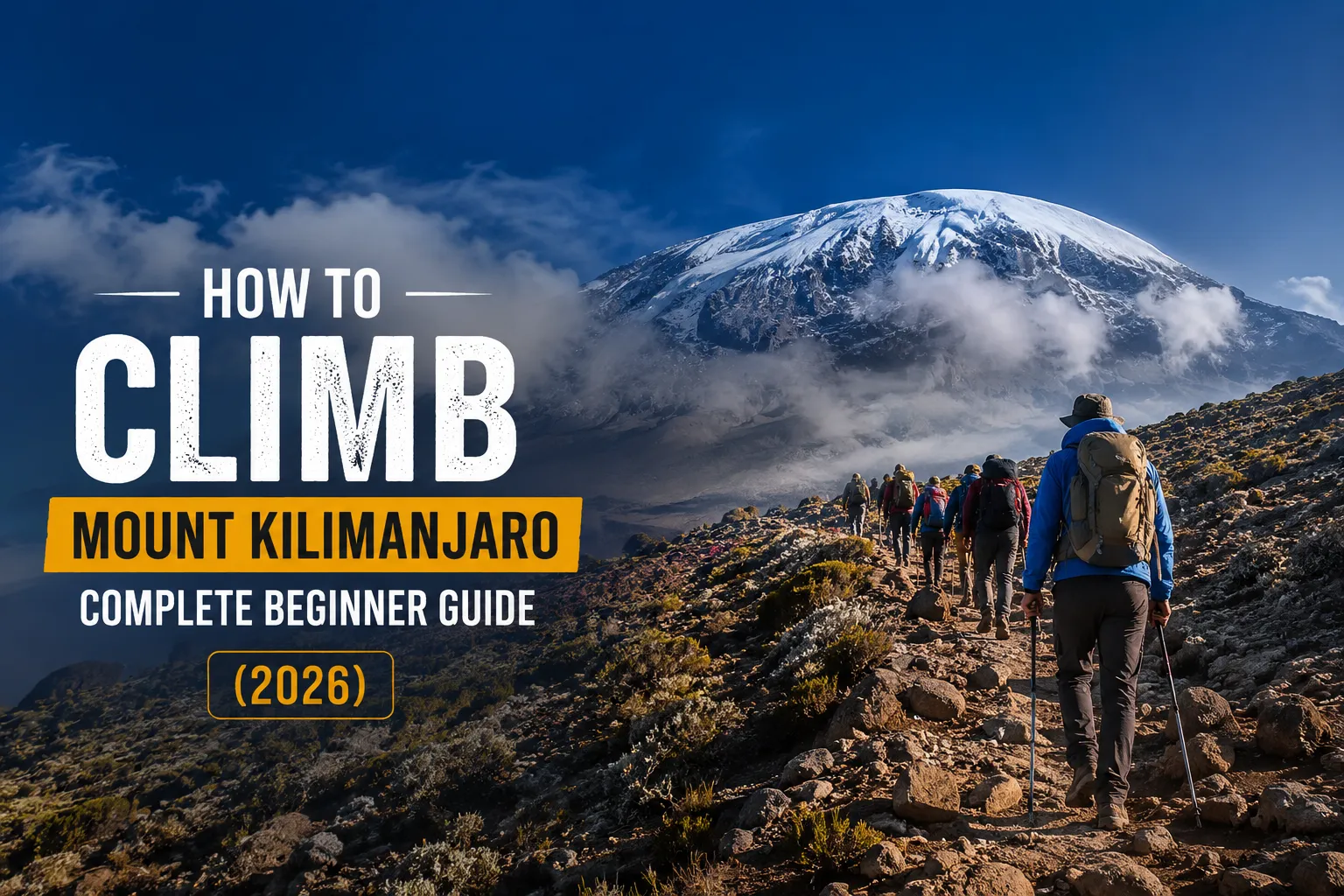
Standing proudly at 5,895 meters (19,341 feet) above sea level, Mount Kilimanjaro is Africa’s highest mountain and one of the world’s most famous trekking destinations. Unlike many other high mountains, climbing Kilimanjaro does not require technical mountaineering skills, making it one of the best adventures for beginners.
Every year, thousands of travelers from around the world visit Tanzania to challenge themselves and experience the breathtaking landscapes of Kilimanjaro. From lush rainforests to alpine deserts and snow-covered glaciers, the journey offers unforgettable scenery and an incredible sense of achievement.
In this complete beginner guide, you’ll learn everything you need to know before climbing Mount Kilimanjaro, including the best routes, fitness requirements, packing essentials, costs, safety tips, and the best time to climb.
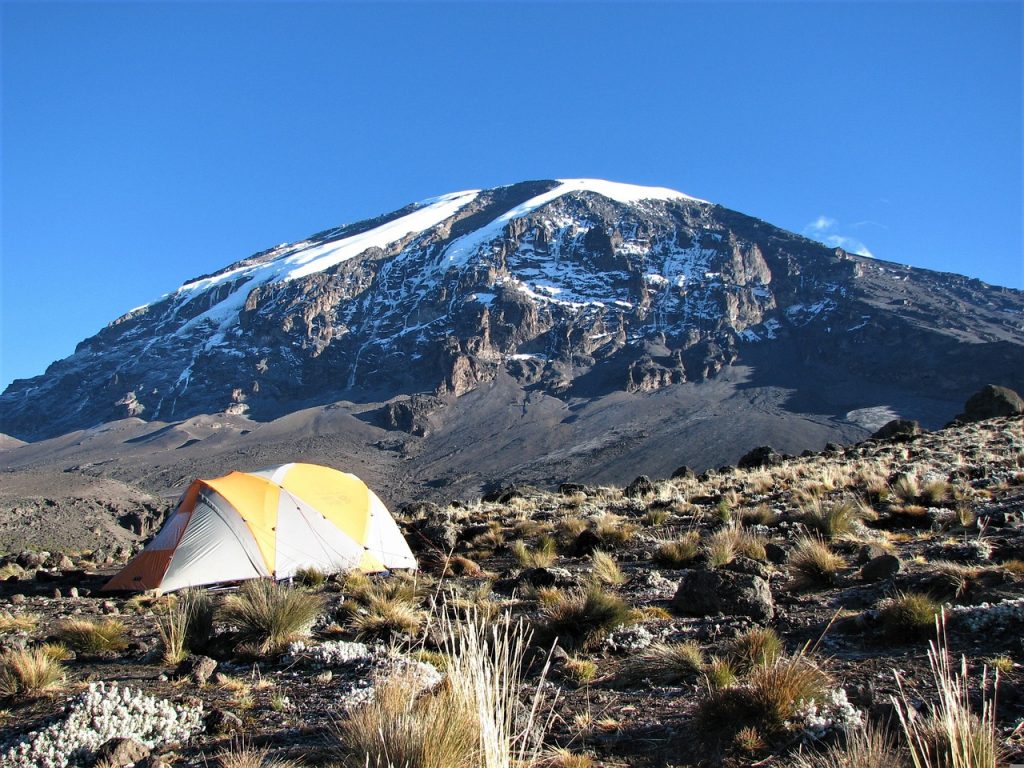
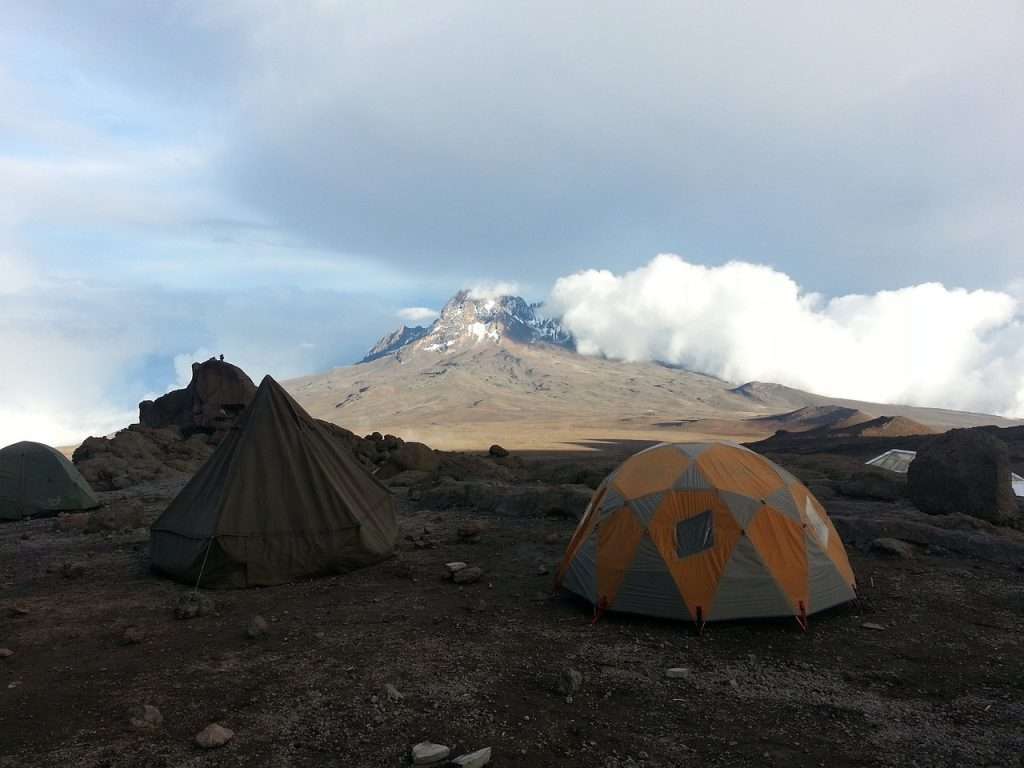
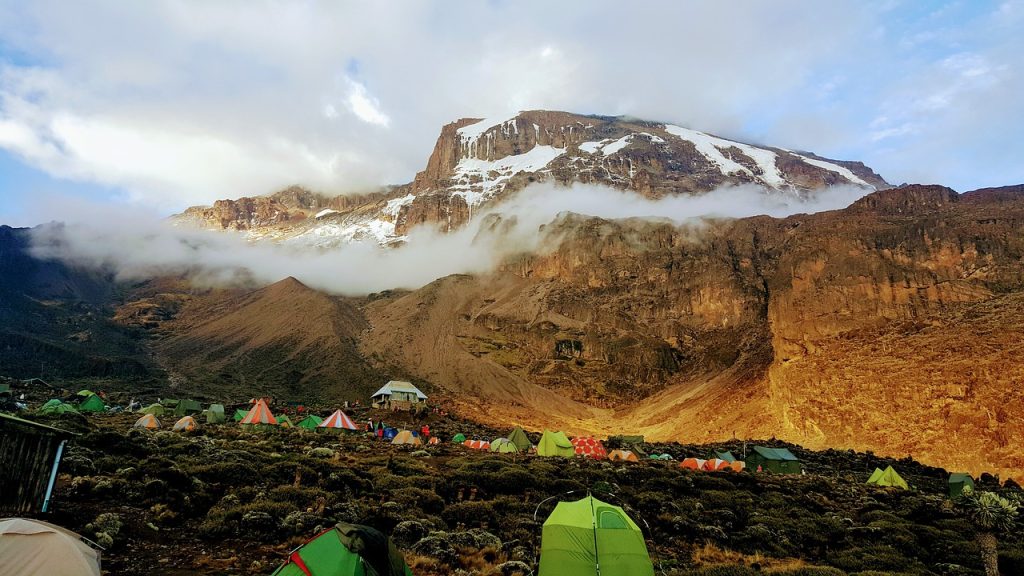
Mount Kilimanjaro is located in northern Tanzania, close to the Kenyan border. It lies within Kilimanjaro National Park, a UNESCO World Heritage Site that protects the mountain’s unique ecosystems and wildlife.
The nearest airport is Kilimanjaro International Airport (JRO), approximately one hour from Moshi, the main gateway for Kilimanjaro expeditions.
Yes.
One of the biggest reasons Kilimanjaro is so popular is that it is suitable for beginners. You don’t need climbing ropes, ice axes, or technical mountaineering experience.
However, reaching the summit requires:
Success depends more on pacing yourself than being an experienced climber.
Although Kilimanjaro is considered a trekking mountain rather than a technical climb, it is still physically demanding.
The biggest challenge is high altitude.
As you climb higher, oxygen levels decrease significantly, making every step more difficult.
Common altitude symptoms include:
Choosing a longer route helps your body adapt and greatly increases your chances of reaching Uhuru Peak.
The mountain can be climbed throughout the year, but some seasons offer better weather.
January – March
June – October
November
Short rainy season.
April – May
Heavy rains make trails muddy and more challenging.
For beginners, January–March and June–October are the best months.
1. Marangu Route (5–6 Days)
Known as the “Coca-Cola Route,” this is the only route with mountain huts instead of tents.
Best for:
Difficulty:
Moderate
Success Rate:
Medium
2. Machame Route (6–7 Days)
Often called the “Whiskey Route,” Machame is more scenic and offers better acclimatization.
Best for:
Difficulty:
Moderate
Success Rate:
High
3. Rongai Route (6–7 Days)
The only route approaching from the northern side.
Best for:
Difficulty:
Moderate
4. Lemosho Route (7–8 Days)
One of the most beautiful routes with excellent acclimatization.
Best for:
Difficulty:
Moderate
Success Rate:
Very High
You don’t need to be an athlete.
However, you should comfortably complete:
Begin training at least 8–12 weeks before your trip.
Recommended exercises include:
Essential gear includes:
Clothing
Footwear
Equipment
Personal Items
Layering your clothing is essential because temperatures vary dramatically during the climb.
A normal trekking day usually includes:
Summit day starts around midnight and lasts 12–16 hours before returning to camp.
Accommodation depends on your chosen route.
Marangu Route
Machame, Rongai, and Lemosho
Professional operators provide tents, mattresses, dining tents, and cooking equipment.
Meals are freshly prepared by mountain chefs.
Typical meals include:
Proper nutrition helps maintain energy throughout the climb.
Safety is the highest priority.
Professional guides monitor your health daily by checking:
If necessary, guides will descend immediately to ensure your safety.
The cost depends on:
Typical prices range from US$1,800 to US$4,500 per person, depending on the level of service and itinerary.
Avoid extremely cheap operators, as they may compromise safety, equipment quality, or porter welfare.
African Chitah offers professionally guided Kilimanjaro treks designed for safety, comfort, and unforgettable experiences.
You’ll enjoy:
Whether you choose the Marangu, Machame, Rongai, or Lemosho Route, our team will help you reach the Roof of Africa with confidence.
Climbing Mount Kilimanjaro is one of the most rewarding adventures in the world. While the journey requires preparation, determination, and respect for the mountain, it is achievable for beginners who choose the right route and climb with experienced guides.
With breathtaking scenery, incredible wildlife nearby, and the unforgettable feeling of standing on Africa’s highest peak, Kilimanjaro is more than just a mountain—it’s a life-changing experience.
If you’re ready to start your adventure, now is the perfect time to plan your Kilimanjaro climb and experience one of Tanzania’s greatest natural wonders.
Mount Kilimanjaro offers an unforgettable trekking experience for adventurers of all skill levels. By preparing properly, selecting the best route, training in advance, and climbing with experienced guides, you can greatly improve your chances of reaching Uhuru Peak safely. Whether you’re seeking a personal challenge or the adventure of a lifetime, Kilimanjaro promises breathtaking landscapes, incredible memories, and the pride of standing on the highest point in Africa.
Yes. Mount Kilimanjaro is suitable for beginners with good physical fitness and proper preparation. No technical climbing experience is required.
The Lemosho and Machame Routes are highly recommended for beginners because they offer excellent acclimatization and higher summit success rates.
Most treks take between 5 and 8 days, depending on the route. Longer routes generally provide better acclimatization and improve your chances of reaching the summit.
The best times are January to March and June to October, when the weather is generally dry, visibility is excellent, and trekking conditions are ideal.
A guided Kilimanjaro trek typically costs between US$1,800 and US$4,500 per person, depending on the route, trip duration, group size, and level of service.
Pack waterproof hiking boots, warm layered clothing, a waterproof jacket, gloves, a headlamp, trekking poles, sunscreen, sunglasses, a daypack, and personal medications to stay comfortable and prepared throughout the climb.
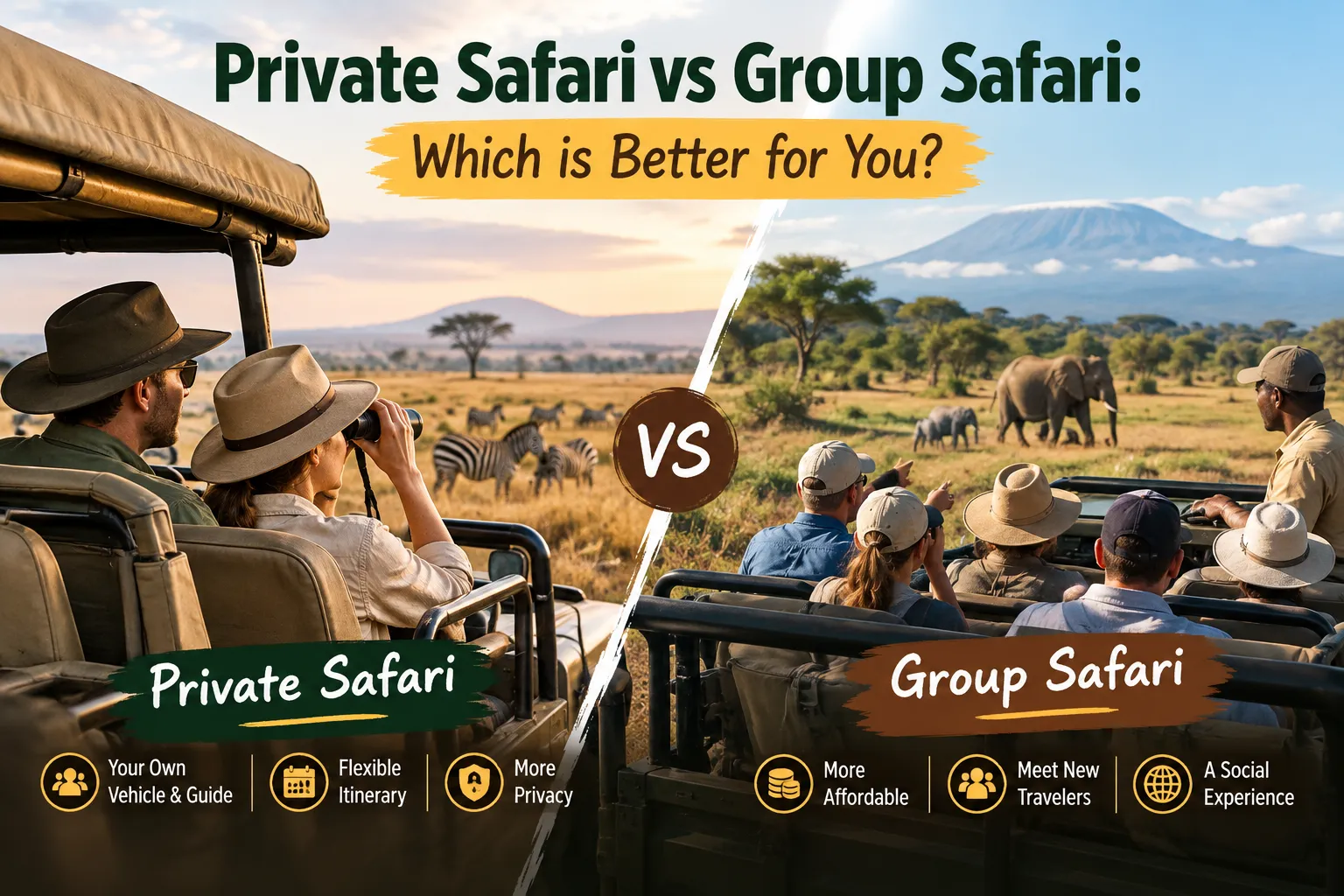
Safari Guide Private Safari vs Group Safari: Which is Better for You? Planning a safari in Tanzania is exciting, but…
Safari Guide What to Pack for African Safari (Complete Checklist) Planning an African safari is exciting, but knowing exactly what…

Safari Tour Guide
Expert Tanzania safari specialists offering unforgettable wildlife tours, Kilimanjaro treks, and Zanzibar beach holidays across East Africa.