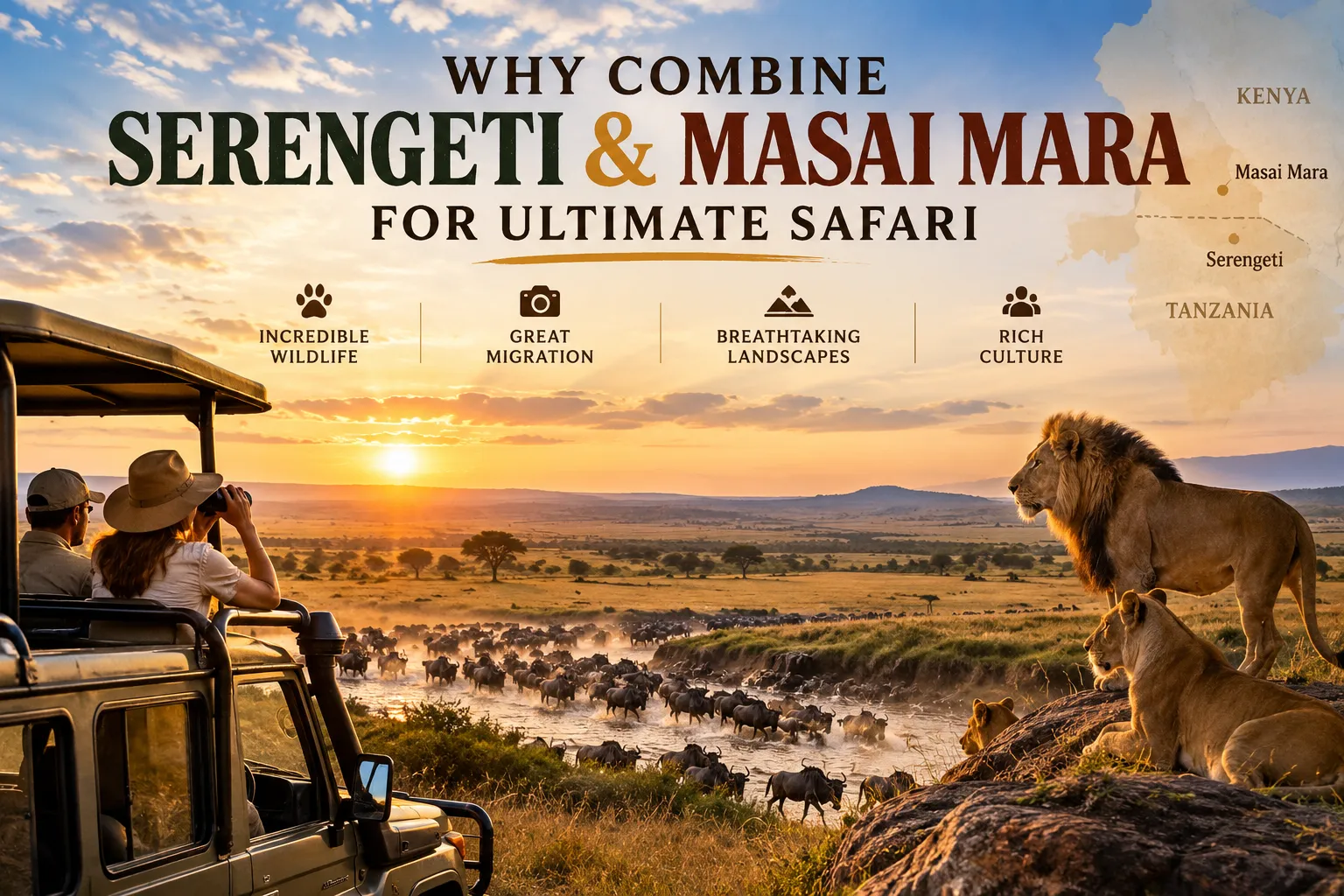
Imagine waking up to the sound of wildlife across the endless plains of Tanzania, spending your day watching lions, elephants, giraffes, and wildebeest, and then continuing your African adventure across the border into Kenya’s legendary Masai Mara.
A Serengeti and Masai Mara safari brings together two of East Africa’s most famous wildlife destinations in one unforgettable journey. Instead of choosing between Tanzania and Kenya, travelers can experience both ecosystems and discover different landscapes, wildlife encounters, cultures, and safari experiences along the way.
The Serengeti in Tanzania and Masai Mara in Kenya form part of the same greater ecosystem. They are also central to the famous Great Wildebeest Migration, during which huge herds of wildebeest, zebras, and other grazing animals move through the ecosystem in search of fresh grass and water.
For travelers looking for a more complete East African wildlife adventure, combining these destinations can turn a traditional safari into an exciting multi-country journey.
The biggest advantage of a Tanzania and Kenya safari is variety.
The Serengeti offers enormous open plains, diverse wildlife habitats, predator sightings, seasonal migration experiences, and a feeling of being surrounded by seemingly endless wilderness.
The Masai Mara adds its own character with rolling grasslands, wildlife-rich areas, Maasai culture, and seasonal migration activity.
By combining both destinations, you are not simply visiting two national parks. You are following one of Africa’s most remarkable wildlife ecosystems across two countries.
It also gives you more opportunities for wildlife photography and game viewing. Wildlife movements are unpredictable, so exploring a larger part of the ecosystem can create a broader safari experience.
The Serengeti and Masai Mara are geographically connected through a vast cross-border ecosystem.
The Serengeti lies primarily in northern Tanzania, while the Masai Mara lies across the international border in southwestern Kenya.
Animals do not recognize international boundaries. Wildebeest, zebras, gazelles, predators, and many other species move through this landscape according to seasonal conditions, rainfall, grazing availability, and water.
This natural connection is one of the main reasons a Serengeti and Masai Mara combined safari makes so much sense.
Rather than seeing each destination as an isolated attraction, travelers can experience different parts of one enormous wildlife environment.
For many visitors, the Great Wildebeest Migration is one of the biggest reasons to combine Serengeti and Masai Mara.
Huge numbers of wildebeest move through the greater Serengeti ecosystem accompanied by zebras and other grazing animals. Their movement changes throughout the year depending on rainfall and grazing conditions.
Predators including lions, cheetahs, leopards, hyenas, and crocodiles take advantage of the movement of prey, creating some of the most dramatic wildlife encounters associated with an East African safari.
Different areas of the Serengeti become important during different stages of the migration.
During the early part of the year, southern Serengeti and Ndutu areas are associated with the calving season. As conditions change, herds gradually move through other sections of the ecosystem.
Later, northern Serengeti becomes particularly important as herds approach major river systems and the Kenya border.
Some migrating herds move into the Masai Mara during the migration cycle before eventually moving south again.
This makes the Serengeti and Masai Mara complementary destinations rather than competing ones.
A carefully planned itinerary can therefore focus on the part of the ecosystem where seasonal wildlife activity is expected during your travel period.
However, it is important to remember that the migration is a natural event. Exact locations and river crossings cannot be guaranteed because wildlife movements depend heavily on rainfall and environmental conditions.
River crossings are among the most dramatic moments associated with the Great Migration.
Large herds may gather near riverbanks before attempting to cross. The scene can change quickly as wildebeest enter the water while crocodiles wait in the river and predators patrol surrounding areas.
Northern Serengeti and the Masai Mara region can both play important roles during this stage of the migration.
Travelers should understand that crossings do not happen according to a fixed daily timetable. Sometimes animals can remain near a river for hours or even longer before deciding to cross.
That unpredictability is part of what makes watching wild animals in their natural environment so fascinating.
The Serengeti is one of Tanzania’s most celebrated safari destinations.
Its famous open landscapes provide habitat for an extraordinary variety of wildlife, including:
Lions
Leopards
Cheetahs
Elephants
Buffalo
Giraffes
Zebras
Wildebeest
Gazelles
Hyenas
Numerous bird species
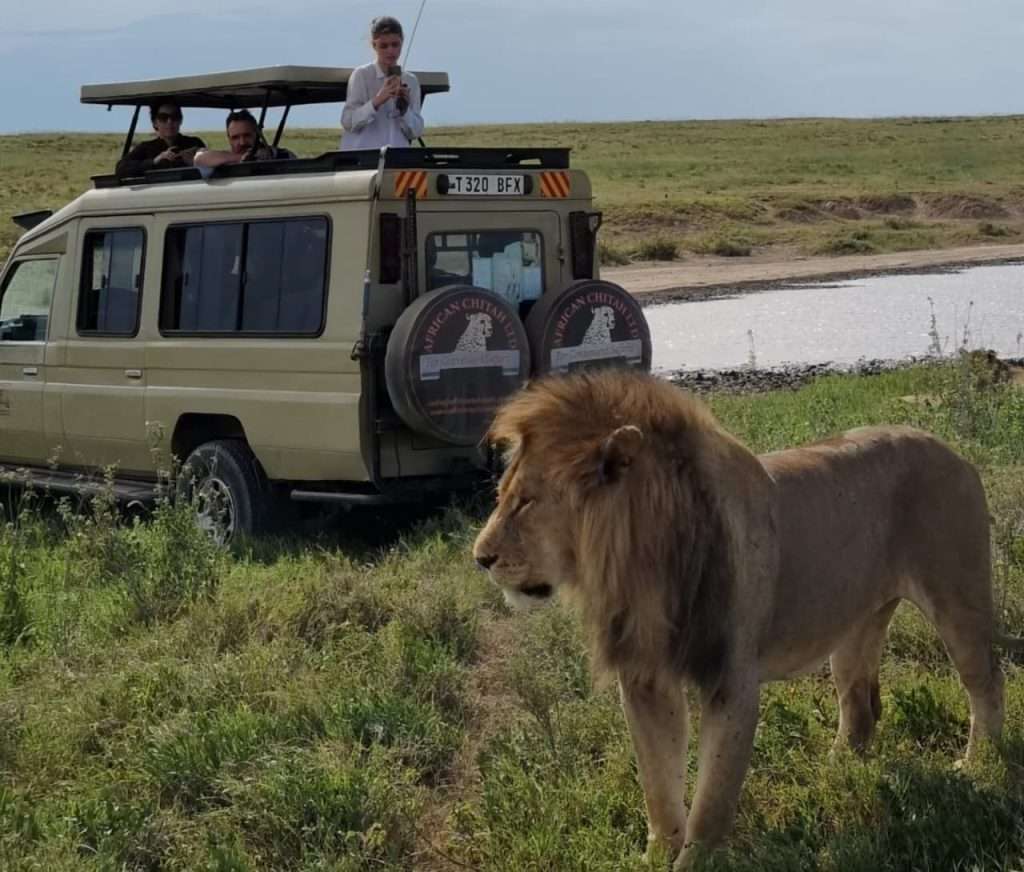
Game drives through the Serengeti can offer everything from peaceful giraffes feeding across the plains to intense predator-prey interactions.
One of the defining characteristics of a Serengeti safari is its sense of scale.
Driving across its landscapes can make travelers appreciate just how vast the East African wilderness really is.
After exploring Tanzania, continuing into Kenya introduces another side of the same ecosystem.
The Masai Mara safari experience is known for abundant wildlife, open grasslands and excellent opportunities to observe predators and grazing animals.
Lions, elephants, buffalo, giraffes, cheetahs, leopards, zebras and wildebeest are among the animals travelers may encounter during game drives.
The landscape itself is equally memorable.
Classic African grasslands, scattered trees, river systems and broad horizons create excellent conditions for wildlife viewing and photography.
Combining Masai Mara with Serengeti therefore gives travelers more than simply additional safari days. It introduces new scenery and different perspectives on East Africa’s wildlife.
No safari can guarantee sightings of particular wild animals, but visiting multiple wildlife-rich destinations gives travelers more opportunities to observe a diverse range of species.
Both Serengeti and Masai Mara support impressive predator populations.
You may encounter lions resting under trees, cheetahs scanning the plains, hyenas moving through the grasslands or, with some luck, a leopard.
Elephants, giraffes, buffalo, zebras, wildebeest and many antelope species also contribute to the diversity of the ecosystem.
For photographers, every game drive presents new possibilities because lighting, landscapes, animal behavior and locations constantly change.
A major advantage of a longer Kenya and Tanzania safari itinerary is that you can include destinations beyond Serengeti and Masai Mara.
Depending on the itinerary, your journey can potentially incorporate destinations such as Tarangire, Lake Manyara, Ngorongoro, Lake Natron, Lake Nakuru, Ol Pejeta, Lake Naivasha and Amboseli.
That means your safari can move through dramatically different environments.
One day you might be watching wildlife across Tanzania’s open plains. Another could take you through Kenya’s Rift Valley landscapes or towards Amboseli with views of Mount Kilimanjaro when weather conditions allow.
This variety can make a multi-country safari particularly rewarding for travelers spending more time in East Africa.
Ngorongoro is a natural addition to many Tanzania safari itineraries.
The crater supports a remarkable concentration of wildlife within a relatively compact area.
Descending into the crater creates a completely different safari experience from driving through the enormous Serengeti plains.
Travelers may encounter lions, buffalo, zebras, wildebeest, flamingos and, with luck, black rhinos among other wildlife.
Including Ngorongoro between other northern Tanzania destinations can add even more diversity to a Serengeti and Masai Mara adventure.
Wildlife is only one part of travelling through East Africa.
Depending on your chosen itinerary, travelers may have an opportunity to visit a Maasai community and learn about local traditions, lifestyles and culture.
Cultural experiences can provide valuable context to the landscapes you are exploring.
Rather than viewing Tanzania and Kenya exclusively through wildlife, visitors can gain a better understanding of communities that have lived within these regions for generations.
Responsible cultural visits should always be conducted respectfully and in ways that benefit local communities.
For photographers, combining the Serengeti and Masai Mara provides enormous creative possibilities.
The open landscape makes it possible to photograph animals against wide horizons, dramatic skies and changing light.
Early mornings can provide softer lighting, while late afternoons often create beautiful golden conditions across the savannah.
Possible photography subjects include wildlife portraits, predator behavior, elephant families, migration herds, landscapes, Maasai culture and safari camp experiences.
You do not need professional equipment to enjoy safari photography either. Modern smartphones can capture excellent images, while dedicated cameras and telephoto lenses provide greater flexibility for distant wildlife.
The ideal duration depends on how many destinations you want to include.
A shorter cross-border safari can focus primarily on Serengeti and Masai Mara, while longer itineraries allow travelers to explore additional national parks, conservancies and cultural destinations.
African Chitah Limited offers several Tanzania-Kenya itineraries, including:
7 Days Kenya & Tanzania Safari
10 Days Kenya & Tanzania Safari
11 Days Kenya–Tanzania–Kenya Safari
20 Days Premium Kenya & Tanzania Safari
A longer itinerary reduces the need to rush between destinations and provides additional time for game drives, photography and different wildlife environments.
Both destinations offer safari experiences throughout much of the year, but the ideal travel period depends on what you want to experience.
If the Great Migration is your main priority, your itinerary should be designed around the expected seasonal movement of the herds.
The dry-season months are popular for wildlife viewing, while greener periods can provide beautiful scenery, birdlife and different wildlife experiences.
For migration-focused trips, flexibility is especially valuable because rainfall can influence the timing and location of wildlife movement.
Instead of selecting a safari destination solely based on a calendar, discuss your travel dates and priorities with a safari specialist who can recommend an appropriate route.
Travelers often ask whether Serengeti or Masai Mara is the better destination.
A combined itinerary removes the need to make that choice.
The Serengeti gives you Tanzania’s immense plains and diverse safari landscapes, while Masai Mara extends the adventure into Kenya with its own wildlife areas and cultural experiences.
Together, they provide a broader understanding of the East African ecosystem.
For travelers flying a long distance to Africa, combining both countries can also make the journey feel more complete.
Packing light and practically will make your safari more comfortable.
Neutral-colored lightweight clothing works well for daytime game drives. You should also consider comfortable walking shoes, sunglasses, sunscreen, a hat, insect repellent and a reusable water bottle.
Mornings and evenings can feel cooler, so bring a warm layer or light jacket.
For photography, pack sufficient memory cards, batteries and charging equipment. Binoculars can also make distant wildlife viewing much more enjoyable.
Travel documents, passports, visas where applicable, travel insurance information and any required health documentation should be organized before departure.
A private safari provides additional flexibility compared with travelling as part of a larger group.
Your guide can often adjust game-drive priorities according to your interests and wildlife activity while working within park regulations and the overall itinerary.
For couples, families, photographers and groups of friends, having your own safari vehicle can also make long game-drive days more comfortable.
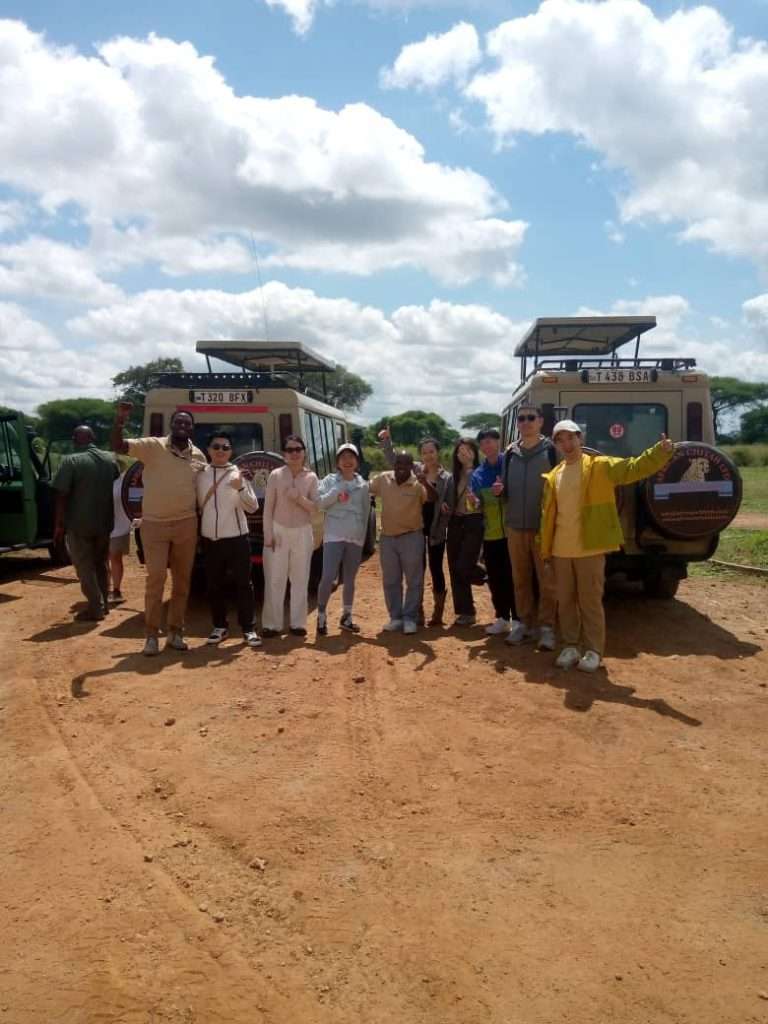
A professional driver-guide is especially important on a cross-country safari because the itinerary involves significant distances, border arrangements, park procedures and changing road conditions.
African Chitah Limited organizes safari experiences across Tanzania and Kenya, including Serengeti, Ngorongoro, Tarangire, Masai Mara and other major East African destinations.
Whether you want a shorter 7-day Kenya and Tanzania safari or an extensive 20-day premium Kenya and Tanzania safari, the itinerary can bring together wildlife, landscapes, cultural encounters and comfortable safari accommodation.
Our goal is to help travelers experience East Africa through carefully planned routes, professional safari guiding and memorable wildlife encounters.
A combined Serengeti and Masai Mara journey allows you to experience two legendary safari regions within one East African adventure.
Follow the landscapes of the Great Migration, search for iconic African wildlife, experience Tanzania and Kenya, meet local communities and return home with memories that extend far beyond a typical holiday.
If the Serengeti and Masai Mara are both on your bucket list, you don’t necessarily have to choose between them.
Yes. Serengeti is located in Tanzania and Masai Mara is in Kenya, and both can be incorporated into a cross-border Tanzania-Kenya safari itinerary.
The required duration depends on your route and additional destinations. African Chitah Limited offers 7-day, 10-day, 11-day and longer Tanzania-Kenya safari itineraries.
The migration moves through different parts of the greater Serengeti-Mara ecosystem throughout the year. Its exact timing depends on rainfall, grazing and other natural conditions, so sightings and river crossings cannot be guaranteed for specific dates.
Both areas provide opportunities to encounter many iconic African animals. Wildlife sightings are natural and cannot be guaranteed, but lions, elephants, buffalo and many other species inhabit the wider ecosystem.
Yes. A professionally organized combined safari can work well for first-time visitors because it allows travelers to experience several of East Africa's major wildlife destinations within one itinerary.
African Chitah Limited offers Tanzania-Kenya safari itineraries that can be planned around different travel durations, destinations and group requirements. Contact the team with your travel dates, group size and preferred experiences to discuss the appropriate itinerary.
Safari Guide Private Safari vs Group Safari: Which is Better for You? Planning a safari in Tanzania is exciting, but…
Safari Guide What to Pack for African Safari (Complete Checklist) Planning an African safari is exciting, but knowing exactly what…

Safari Tour Guide
Expert Tanzania safari specialists offering unforgettable wildlife tours, Kilimanjaro treks, and Zanzibar beach holidays across East Africa.