
Tanzania and Kenya share one of the world’s most important wildlife ecosystems. Combining both countries allows you to experience different landscapes, wildlife habitats, cultures and national parks during the same East African adventure.
Tanzania is famous for destinations such as Serengeti National Park, Ngorongoro Crater, Tarangire National Park and Lake Manyara National Park. Kenya adds legendary safari areas such as the Masai Mara and other diverse wildlife destinations.
One of the biggest advantages of a combined safari is variety. Instead of spending the entire holiday in one ecosystem, you travel through changing landscapes ranging from open savannah and volcanic highlands to acacia-covered plains.
For wildlife lovers, photographers, couples, families and first-time African safari travelers, this can create a rewarding introduction to East Africa.
Seven days is a good option for travelers who want to experience highlights from both Tanzania and Kenya while keeping their trip relatively compact.
African Chitah Limited offers a dedicated 7 Days Kenya & Tanzania Safari, starting from $4,900 per person.
Your East African adventure can begin with arrival in Tanzania, where your safari team welcomes you and transfers you to Arusha.
Arusha is one of Tanzania’s main gateways to the Northern Safari Circuit. The city provides convenient access to some of the country’s most famous wildlife areas and serves as a practical starting point before heading into the national parks.
Use the first day to settle in, recover from your international journey and prepare for the safari ahead.
After breakfast, begin your wildlife adventure with a drive towards Tarangire National Park.
Tarangire is particularly famous for its elephants, baobab trees and beautiful landscapes. During a game drive, travelers may encounter elephants, zebras, wildebeest, giraffes, buffalo, antelopes and predators.
The Tarangire River also plays an important role in the ecosystem, particularly during the dry season when wildlife gathers around available water.
After your game drive, continue to your arranged accommodation for dinner and overnight.
Continue towards the Ngorongoro Conservation Area for one of Tanzania’s most memorable safari experiences.
Descending into Ngorongoro Crater introduces you to a remarkable natural wildlife environment enclosed by the crater walls.
The crater supports a large concentration of wildlife, and game drives may provide opportunities to see lions, buffalo, zebras, wildebeest, hippos and, with some luck, black rhinos.
After exploring the crater, continue to your accommodation and prepare for the next stage of the safari.
The safari continues towards Serengeti National Park.
Serengeti is famous for its vast plains, abundant predators and enormous populations of grazing animals. Depending on the season and location, visitors may encounter wildebeest, zebras, elephants, giraffes, buffalo, lions, cheetahs and leopards.
Your first Serengeti game drive provides an introduction to one of Africa’s most celebrated safari landscapes.
Spend more time exploring the Serengeti ecosystem.
An additional day is valuable because wildlife sightings are never completely predictable. More time in the park creates additional opportunities for observing animal behavior rather than simply moving rapidly between destinations.
Depending on the season, your guide can concentrate on areas offering promising wildlife activity.
The Great Wildebeest Migration is one of the major attractions associated with the Serengeti, although its location changes throughout the year according to rainfall and grazing conditions.
Today marks the transition from Tanzania to Kenya.
The Serengeti and Masai Mara form part of the broader Serengeti–Mara ecosystem. Crossing between the two countries lets travelers experience how this enormous wildlife landscape continues beyond national borders.
After completing the necessary border procedures, continue towards the Masai Mara and settle into your accommodation.
Spend your final safari day exploring the Masai Mara.
The reserve is famous for open grasslands and excellent populations of wildlife, including lions, elephants, giraffes, zebras, buffalo, cheetahs and other species.
Depending on your onward travel arrangements, enjoy a game drive before beginning your transfer for departure.
For travelers with more available time, extending the trip to 10 days provides a more complete and relaxed East African experience.
A 10 Days Kenya & Tanzania Safari gives travelers additional time to explore both countries and enjoy longer game-viewing experiences.
African Chitah Limited offers this safari from $6,600 per person.
Instead of trying to cover multiple destinations very quickly, the additional days can provide more time for wildlife viewing and a broader East African safari experience.
Arrive in Tanzania and begin the safari from Arusha.
Depending on the final itinerary, the first section of the journey can introduce you to Tanzania’s Northern Safari Circuit and its changing landscapes.
Your professional driver-guide accompanies you throughout the safari and helps locate wildlife while providing information about the environment and local destinations.
Continue through the Ngorongoro region before entering Serengeti National Park.
Ngorongoro and Serengeti offer two very different safari environments. The crater creates a relatively enclosed wildlife habitat, while Serengeti is famous for enormous open plains stretching towards the horizon.
Combining them provides excellent landscape and wildlife variety within a relatively short distance.
Spending additional time in Serengeti is one of the main advantages of choosing a longer safari.
Rather than treating Serengeti as a single-day stop, you have more opportunities to explore different areas and search for wildlife.
Early mornings and late afternoons can be particularly rewarding times for safari photography and animal activity.
Your exact route can also be adjusted according to the season and current wildlife movements.
Continue towards Kenya and enter the next stage of your East African safari.
Cross-country safaris require careful logistical planning, particularly around border transfers, travel times and accommodation.
Booking the complete journey through an experienced safari operator helps make these transitions easier.
Enjoy extended wildlife viewing in the Masai Mara.
The Mara’s grasslands provide opportunities to observe predators and grazing animals across large open landscapes. Lions, elephants, giraffes, buffalo, zebras, wildebeest and cheetahs are among the animals visitors may encounter.
During the migration season, the greater Serengeti–Mara ecosystem becomes especially famous for large concentrations of wildebeest and zebras.
Wildlife movements vary naturally, so no specific sighting or river crossing can be guaranteed.
Enjoy your final safari experience before beginning your onward journey.
After several days of national parks, wildlife encounters and changing landscapes, your Tanzania and Kenya safari comes to an end.
Your transfer arrangements will depend on the final itinerary and departure airport selected for your trip.
The right duration depends mainly on your available holiday time, travel pace and the number of destinations you want to experience.
A 7-day Kenya and Tanzania safari is suitable for travelers with limited time who still want to combine both countries. It concentrates on major highlights and involves a relatively active travel schedule.
A 10-day Kenya and Tanzania safari provides more time for game drives, additional destinations and a less compressed itinerary.
Travelers planning a once-in-a-lifetime East African holiday may appreciate the additional time because wildlife safaris benefit from patience. Animals move freely, and every game drive can produce a completely different experience.
Tanzania and Kenya offer safari opportunities throughout the year, but the experience changes according to season.
June through October is a popular period for wildlife safaris.
Vegetation is generally less dense in many areas, and animals may gather around available water sources, which can make wildlife viewing rewarding.
This period also overlaps with important stages of the Great Migration in the northern Serengeti and Masai Mara ecosystem.
December through March can be an excellent period for travelers interested in the southern Serengeti and Ndutu region.
The migration herds move according to seasonal rainfall and fresh grazing. The calving period is especially well known for large concentrations of wildebeest and increased predator activity.
African Chitah Limited also offers a dedicated 6 Days Calving Season Safari in Ndutu, starting from $2,970 per person.
The greener months provide lush scenery and can appeal to photographers and travelers who prefer a different atmosphere.
Rainfall can affect road conditions and travel plans, but the landscapes can be particularly beautiful during this period.
The Great Wildebeest Migration is one of the main reasons travelers combine Tanzania and Kenya.
Large herds of wildebeest, accompanied by zebras and other grazing animals, move through the Serengeti–Mara ecosystem following seasonal rainfall and available grazing.
The migration does not happen in one fixed place or on one guaranteed date.
Different periods of the year provide different experiences, from calving in the southern ecosystem to movement through central and western areas and eventual migration towards northern Serengeti and the Masai Mara.
Because wildlife movement depends on natural conditions, travelers interested specifically in migration viewing should plan their route according to their travel month rather than simply booking the same itinerary throughout the year.
A combined Tanzania and Kenya safari offers opportunities to encounter an extraordinary variety of African wildlife.
Depending on the destinations and season, animals may include:
Lions
Elephants
Leopards
Cheetahs
Buffalo
Black rhinos
Wildebeest
Zebras
Giraffes
Hippos
Hyenas
Gazelles
Antelopes
Baboons
Flamingos
Numerous other bird species
Wildlife remains wild and sightings cannot be guaranteed. This unpredictability is also an important part of an authentic safari experience.
African Chitah safari itineraries typically use 4×4 safari vehicles with pop-up roofs, designed for wildlife viewing and photography.
A pop-up roof allows passengers to stand safely inside the vehicle while enjoying an elevated view of animals and landscapes.
For longer Tanzania–Kenya journeys, vehicle comfort becomes especially important because several days involve both game drives and transfers between destinations.
Accommodation depends on your selected package and itinerary.
A Tanzania and Kenya safari can combine safari lodges and tented camps located close to or within major wildlife areas.
Tented safari camps provide a closer connection to the African wilderness while still offering essential comforts. Safari lodges can provide additional facilities and comfortable places to relax after long game drives.
African Chitah Limited can arrange accommodation according to the itinerary and safari style.
Pack light, comfortable clothing suitable for changing temperatures.
Neutral-colored clothing is practical for game drives. Mornings and evenings can feel cool, while afternoons may become warm.
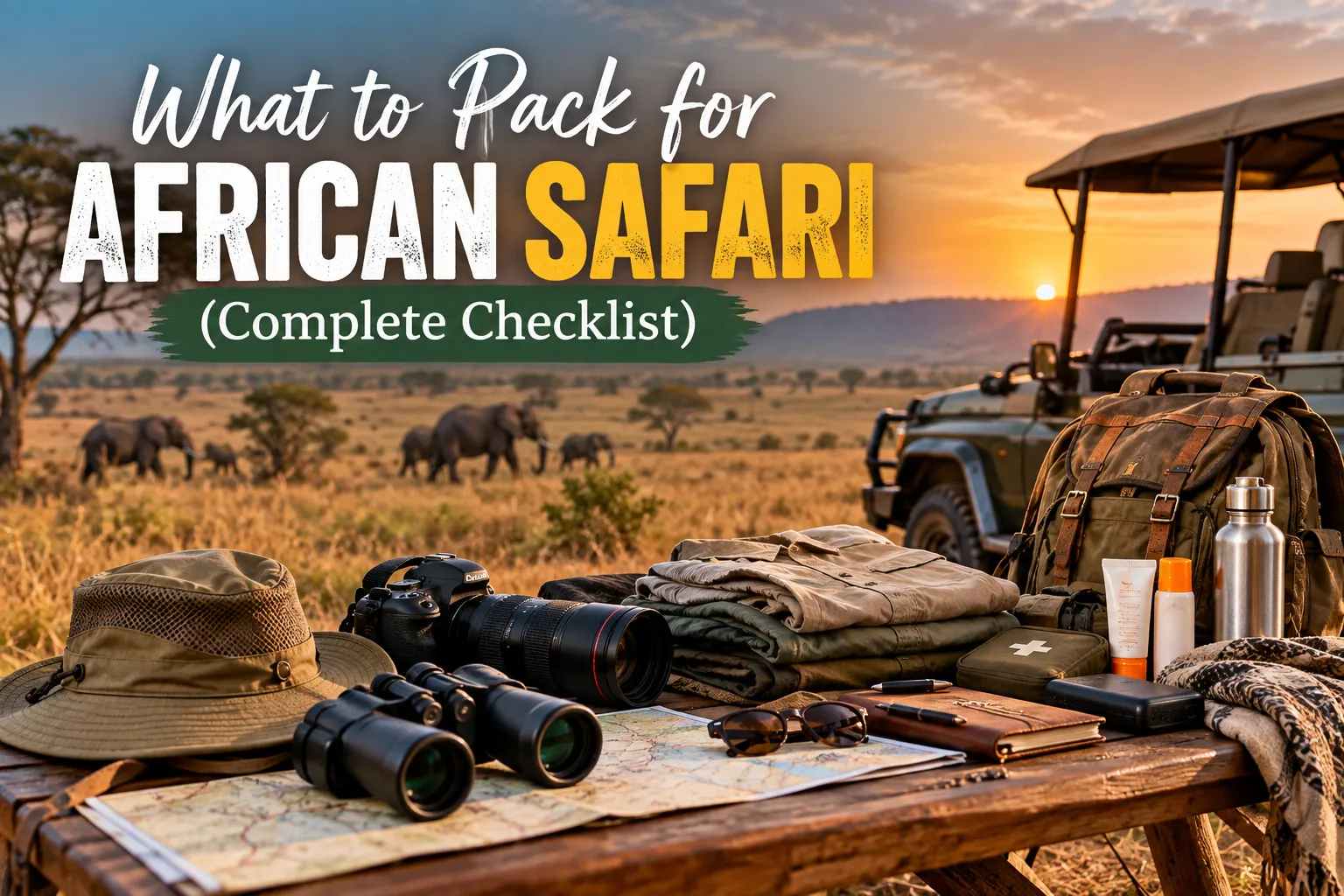
Useful items include comfortable walking shoes, lightweight trousers, breathable shirts, a warm jacket, sun protection, sunglasses, insect repellent, personal medication, camera equipment and travel documents.
Binoculars are particularly useful for viewing birds and animals that remain farther away from safari roads.
International travelers should check the current entry and visa requirements for both Tanzania and Kenya before departure.
Requirements can vary according to nationality and may change over time. Your passport should also meet the applicable validity and blank-page requirements.
Because a combined safari crosses an international border, make sure your documentation covers your complete route rather than checking requirements for only your arrival country.
African Chitah Limited currently offers several cross-border safari options:
| Safari Package | Duration | Price |
|---|---|---|
| 7 Days Kenya & Tanzania Safari | 7 Days | $4,900 per person |
| 10 Days Kenya & Tanzania Safari | 10 Days | $6,600 per person |
| 11 Days Kenya – Tanzania – Kenya Safari | 11 Days | $7,000 per person |
| 20 Days Premium Kenya & Tanzania Safari | 20 Days | $11,000 per person |
Travelers looking for an extended East African experience can choose the 11 Days Kenya Tanzania Kenya Safari or the comprehensive 20 Days Premium Kenya & Tanzania Safari.
African Chitah Limited organizes Tanzania and Kenya safari experiences with itineraries covering wildlife, landscapes and cultural experiences across East Africa.
Our safari team helps travelers coordinate routes, accommodations, game drives, transportation and cross-border travel within one itinerary.
Whether you want a focused 7-day adventure, a more comfortable 10-day safari or an extended premium journey, your itinerary can be planned around your available travel dates and preferred safari experience.
A Tanzania and Kenya safari brings together some of East Africa’s most celebrated wildlife landscapes in one journey.
Explore Tanzania’s Serengeti and Ngorongoro before continuing into Kenya and experiencing the Masai Mara. With the right itinerary, seven to ten days can deliver an excellent combination of wildlife viewing, scenic landscapes and memorable African experiences.
African Chitah Limited – For Convenient Safaris
 Pangani Street, Arusha, Tanzania
 +255 756 312 202
 [email protected]