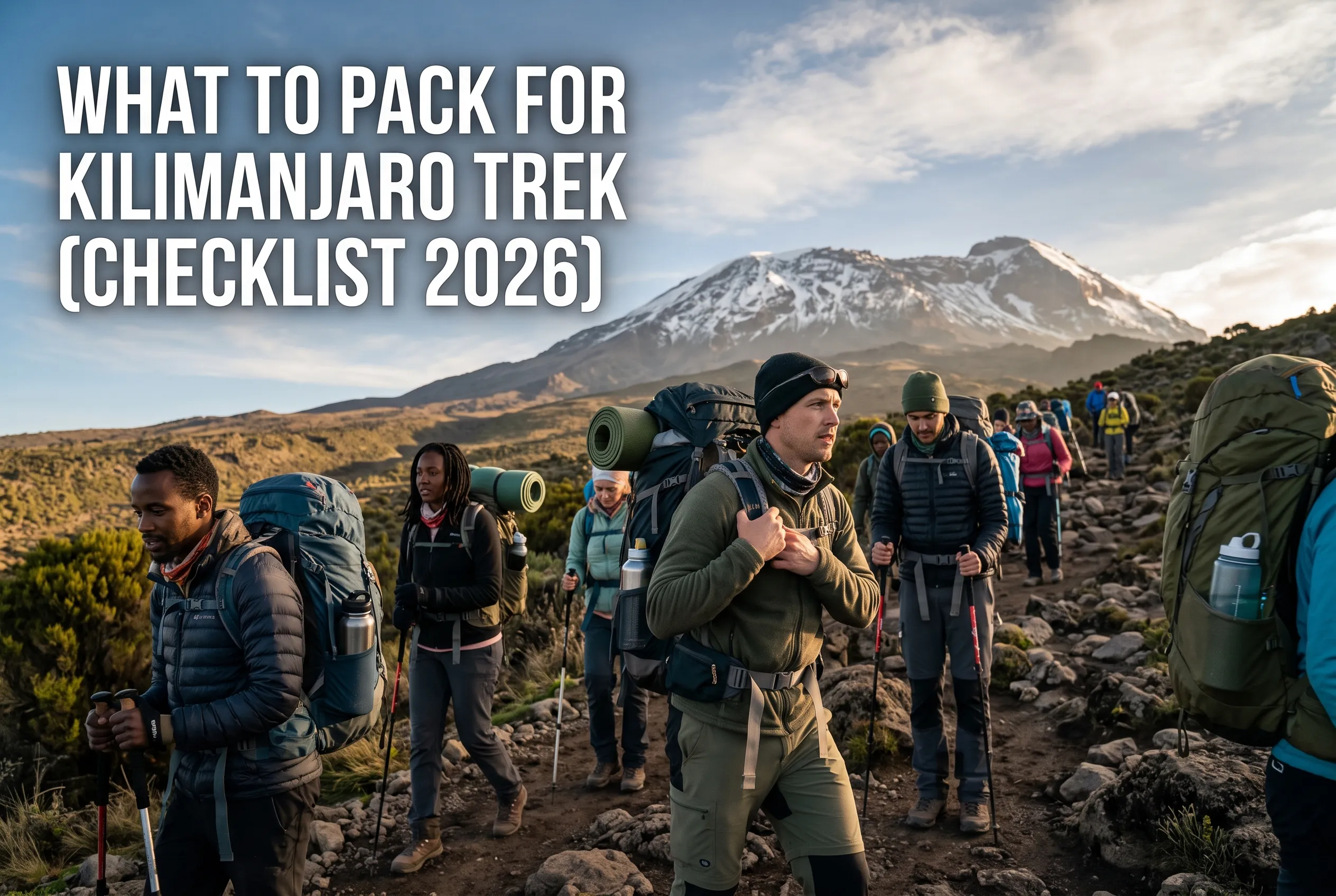
Climbing Mount Kilimanjaro is an unforgettable adventure, but reaching the summit comfortably depends heavily on what you pack. From warm base layers and waterproof jackets to trekking poles, a reliable headlamp, and proper hiking boots, every item has a purpose.
Whether you are planning the 5-Day Marangu Route, 6-Day Machame Route, 6-Day Rongai Route, or 8-Day Lemosho Route, this complete Kilimanjaro packing checklist for 2026 will help you prepare for changing temperatures, long trekking days, rain, wind, and summit-night conditions.
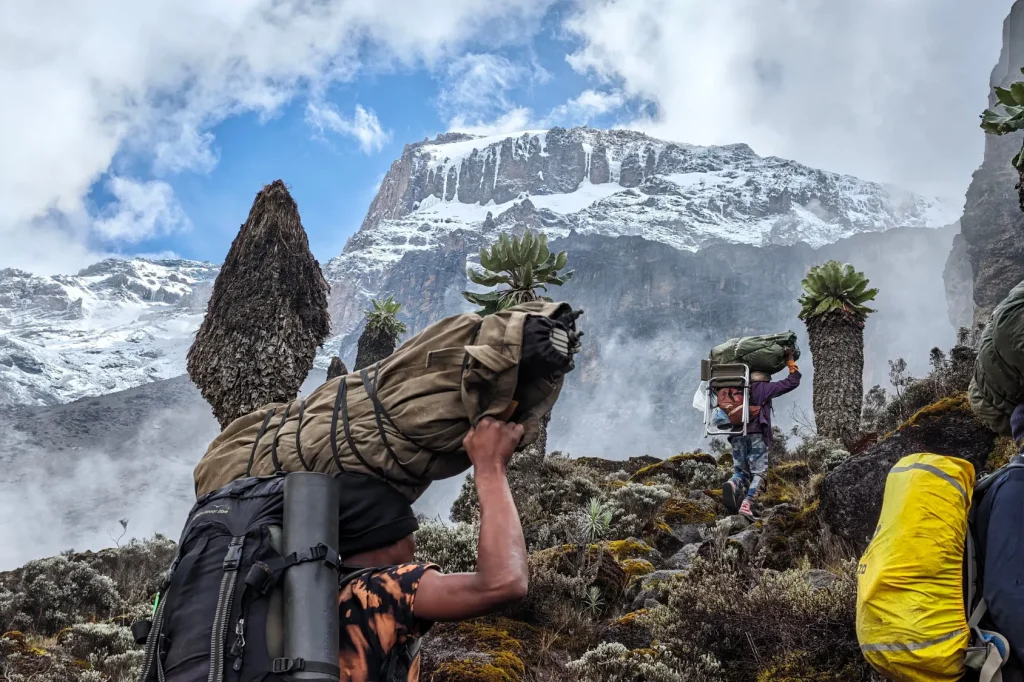
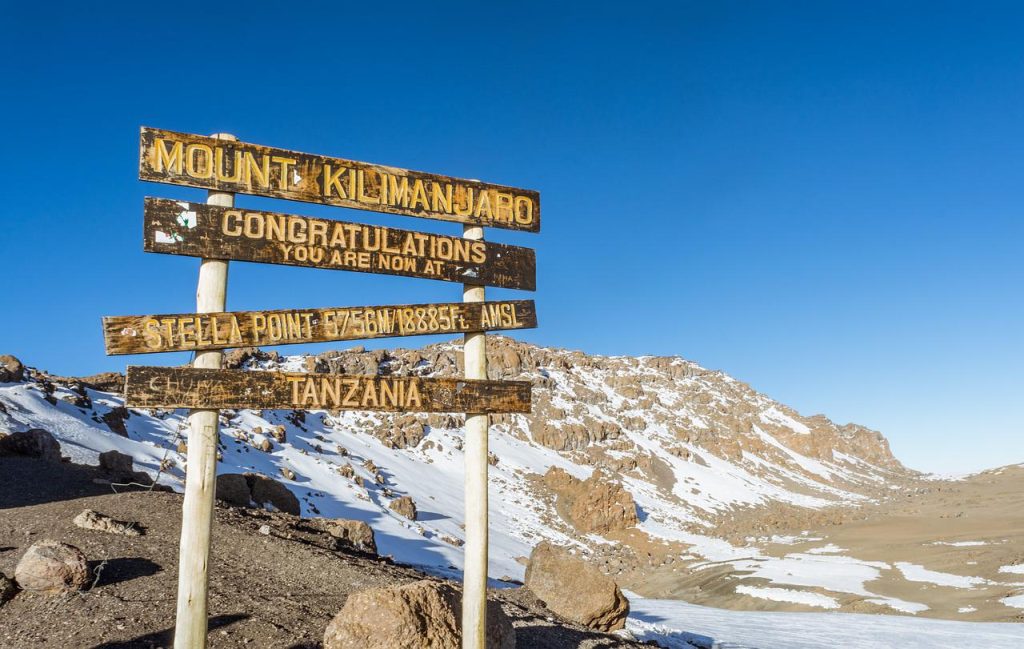
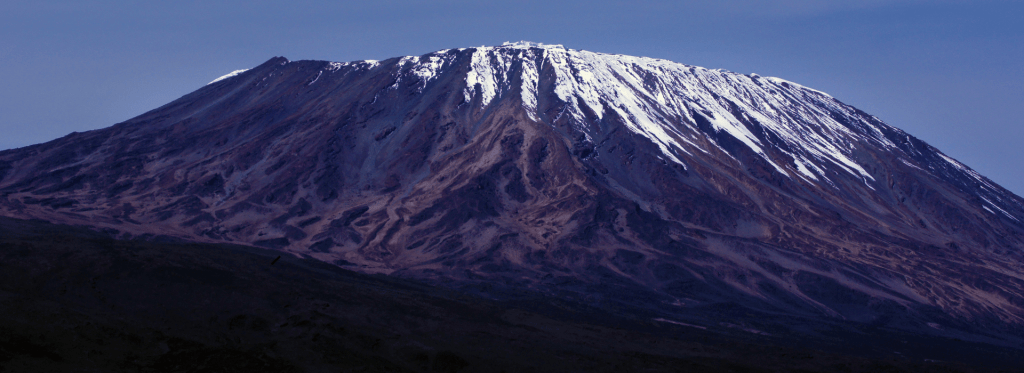
Mount Kilimanjaro takes you through several climate zones, from warm lower slopes to cold, high-altitude conditions near Uhuru Peak. The weather can change quickly, so your packing list needs to cover both warm and cold conditions.
You do not need to carry everything you own. The goal is to pack light, practical, comfortable, and weather-appropriate gear.
A good Kilimanjaro packing list should help you:
Before getting into the details, here is a quick checklist of the main equipment you should consider:
Clothing
Footwear
Trekking Equipment
Personal Items
Documents & Electronics
The most important clothing principle is layering. Instead of relying on one extremely thick jacket, use several layers that can be added or removed as temperatures change.
Pack moisture-wicking thermal tops and bottoms. These layers sit close to your skin and help keep you comfortable when temperatures drop.
Avoid relying heavily on cotton because it can hold moisture and become uncomfortable during long trekking days.
Bring two or three comfortable, breathable trekking shirts. Long-sleeve options are especially useful for protection from the sun, wind, and cold.
Choose lightweight materials that dry quickly.
Two pairs of comfortable trekking trousers are generally useful. Convertible trousers can also be practical because they allow you to adapt to warmer conditions on the lower slopes.
A fleece jacket provides an important middle layer between your base layer and outer jacket.
It is particularly useful during colder mornings, evenings, and higher sections of the mountain.
A good insulated jacket becomes especially important as you approach higher elevations and during summit night.
A down or quality synthetic insulated jacket can provide significant warmth without adding excessive weight.
Rain can occur on Kilimanjaro, particularly in the lower and forest zones.
A waterproof and breathable outer shell helps protect your clothing from rain and wind.
Waterproof trousers are another useful addition, particularly during rainy conditions.
They can also provide an extra layer of protection from cold wind.
Thermal base layers are particularly useful for colder nights and summit attempts.
Pack at least one good-quality thermal set that you can use when temperatures become significantly colder.
You should prepare for both strong sunshine and freezing temperatures.
Pack:
Having different options allows you to adapt to changing conditions.
Your socks should be comfortable, breathable, and suitable for long-distance trekking.
Bring several pairs rather than relying on one or two pairs.
A useful combination includes:
Keeping your feet dry is important for comfort and reducing the risk of blisters.
Your footwear is one of the most important parts of your packing list.
Choose sturdy, comfortable hiking boots with good grip and ankle support.
Most importantly, break your boots in before your trek. Do not arrive in Tanzania with brand-new boots and expect them to be comfortable immediately.
Wear them during training walks before your climb.
A lightweight pair of shoes or sandals can be useful around camp after a long day of trekking.
They give your feet a break from your hiking boots.
Gaiters can help prevent mud, dirt, stones, and water from entering your footwear.
They can be especially useful during wet conditions and on certain sections of the mountain.
You generally need two main types of bags for a Kilimanjaro trek.
Your daypack should carry the essentials you need while walking.
Typical items include:
Choose a comfortable pack with adjustable straps.
A larger duffel bag can be used for the rest of your trekking equipment and personal belongings.
Your exact luggage arrangement can depend on the route and the trekking operator, so check with your tour company before departure.
A warm sleeping bag is an important part of your Kilimanjaro equipment.
Mountain nights can be cold, particularly at higher elevations. Choose a sleeping bag suitable for the expected conditions and confirm with your tour operator whether sleeping equipment is provided or needs to be brought or rented.
Trekking poles can help with balance, particularly on steep, rocky, or uneven sections.
They can also reduce some strain on your knees during descents.
If you are not accustomed to using trekking poles, practice with them before your trek.
A headlamp is essential for summit night because the climb normally begins before sunrise.
Bring spare batteries or ensure your rechargeable headlamp is fully charged before the summit attempt.
A headlamp is also useful around camp after dark.
Staying hydrated is important during a high-altitude trek.
Carry reusable water bottles or a suitable hydration system as recommended by your trekking operator.
A combination of easily accessible bottles can also make it easier to monitor your water intake in cold conditions.
Sun protection becomes increasingly important at high altitude.
Choose good-quality sunglasses that provide appropriate UV protection.
A spare pair can also be useful in case your primary sunglasses are lost or damaged.
The combination of strong sunlight, wind, and high altitude can be harsh on exposed skin.
Pack:
Remember to apply sunscreen regularly, even when the weather feels cold.
Keep toiletries simple and lightweight.
Consider packing:
Wet wipes can be particularly useful during trekking days when access to a shower is limited.
Carry your personal medication and a small personal first-aid kit.
Useful items may include:
If you take prescription medication, keep it in its original packaging and bring enough for your trip.
For altitude-related medication or preventive treatment, speak with a qualified medical professional before your trek.
Long trekking days require regular energy.
Depending on your trekking package and meal arrangements, useful personal snacks can include:
Choose snacks that you enjoy and that are easy to carry.
You do not need to bring every electronic device you own.
Useful items include:
A power bank can be particularly useful because access to electricity may be limited depending on your accommodation and route.
Keep your essential documents safe and accessible.
Your travel folder should include:
Consider keeping digital copies securely stored as well.
Summit night is one of the coldest and most demanding parts of the Kilimanjaro climb.
Your summit clothing should allow you to layer appropriately.
Consider preparing:
Your guide can help you adjust layers according to the conditions.
Packing too much can make your trek more difficult.
Avoid unnecessary items such as:
Think lightweight and practical.
Use this quick checklist before leaving for Tanzania:
Clothing
☐ Base layers
☐ Trekking shirts
☐ Trekking trousers
☐ Fleece
☐ Insulated jacket
☐ Waterproof jacket
☐ Waterproof trousers
☐ Thermal underwear
☐ Warm hat
☐ Sun hat
☐ Gloves
☐ Trekking socks
☐ Thermal socks
Footwear
☐ Hiking boots
☐ Camp shoes
☐ Gaiters
☐ Spare socks
Equipment
☐ Daypack
☐ Duffel bag
☐ Sleeping bag
☐ Trekking poles
☐ Headlamp
☐ Water bottles/hydration system
☐ Backpack rain cover
Personal
☐ Sunglasses
☐ Sunscreen
☐ Lip balm
☐ Toiletries
☐ Wet wipes
☐ Hand sanitizer
☐ Personal medication
☐ First-aid supplies
Documents & Electronics
☐ Passport
☐ Visa documents
☐ Travel insurance
☐ Phone
☐ Camera
☐ Power bank
☐ Charging cables
☐ Emergency contacts
Your packing requirements can vary slightly depending on your route, trekking duration, season, and accommodation arrangements.
African Chitah offers several Kilimanjaro trekking options, including:
For longer routes such as Lemosho, you will spend more days on the mountain, making comfortable clothing, socks, personal hygiene items, and reliable equipment particularly important.
The best Kilimanjaro packing list is not necessarily the longest one. It is the one that gives you the right protection and comfort without unnecessary weight.
Before your trek:
Most importantly, choose equipment that you have already tested and know how to use.
Standing on Mount Kilimanjaro is a remarkable experience, and good preparation can make your journey more comfortable and enjoyable.
Whether you are considering the Marangu, Machame, Rongai, or Lemosho Route, African Chitah can help you plan your Tanzania adventure with experienced local guides and carefully organized trekking packages.
Ready to start planning your Kilimanjaro climb? Explore our Kilimanjaro Trekking Packages and choose the route that fits your adventure goals.
Pack layered clothing, hiking boots, waterproof gear, warm summit clothing, trekking poles, a headlamp, water bottles, personal medication, toiletries, documents, and essential electronics.
Yes. Kilimanjaro passes through different climate zones, so layering is important. You should have lightweight trekking clothing for lower elevations and warm insulated and waterproof layers for higher elevations.
Comfortable, sturdy hiking boots with good grip and suitable ankle support are recommended. Break them in before your trek to reduce the risk of discomfort and blisters.
Trekking poles are not necessarily mandatory, but many hikers find them useful for balance and for reducing strain on the knees, particularly on steep sections and descents.
A suitable warm sleeping bag is important because mountain nights can become very cold. Check with your trekking operator to confirm whether one is included in your package or available for rental.
You should prepare several warm layers, including thermal base layers, an insulating layer, a warm jacket, weatherproof outerwear, warm gloves, a hat, thermal socks, and comfortable hiking boots. A headlamp is also essential because the summit attempt starts before sunrise.
Safari Guide Private Safari vs Group Safari: Which is Better for You? Planning a safari in Tanzania is exciting, but…
Safari Guide What to Pack for African Safari (Complete Checklist) Planning an African safari is exciting, but knowing exactly what…

Safari Tour Guide
Expert Tanzania safari specialists offering unforgettable wildlife tours, Kilimanjaro treks, and Zanzibar beach holidays across East Africa.