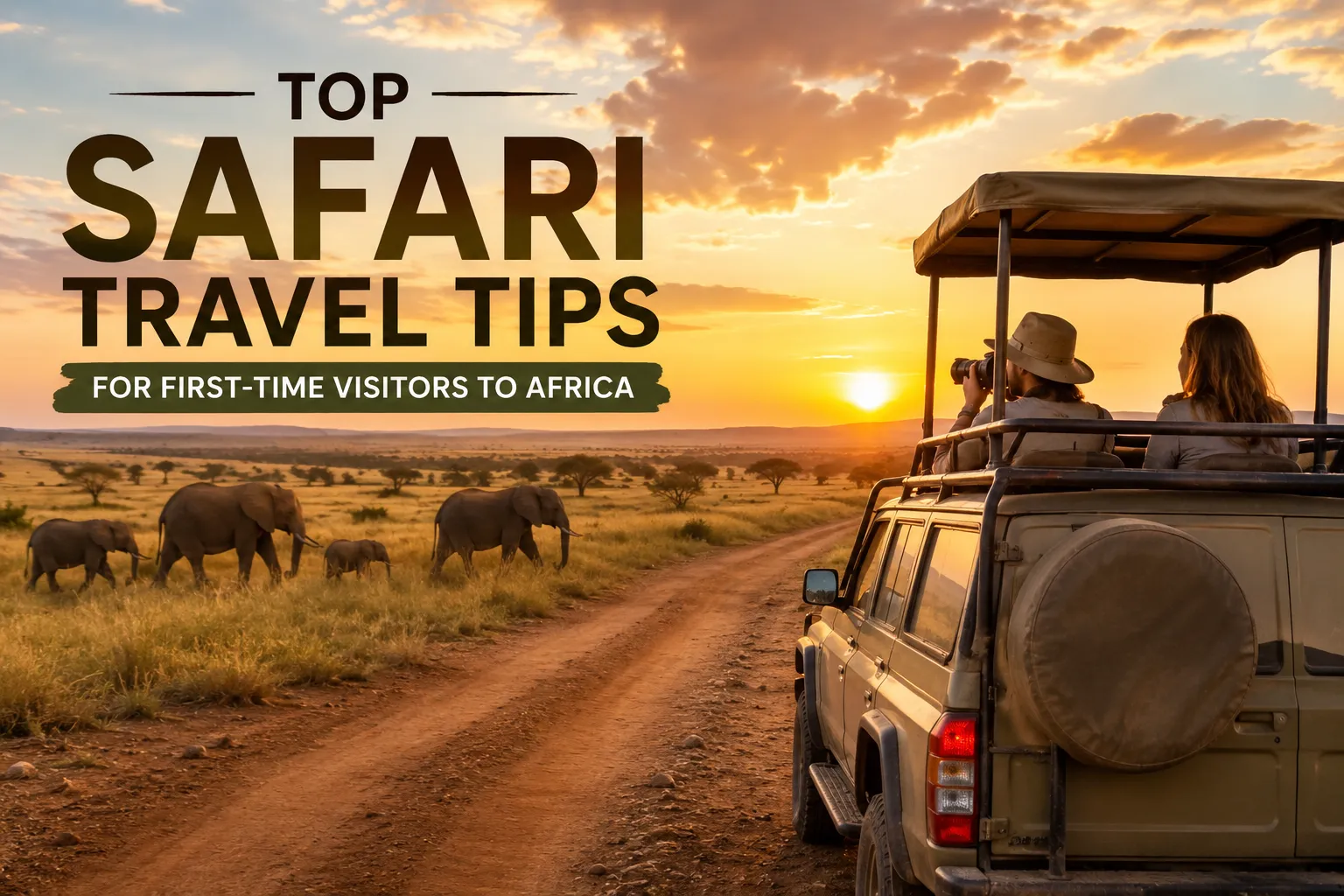
Planning your first African safari is exciting, but it can also feel overwhelming. Africa is home to some of the world’s most spectacular wildlife destinations, including Tanzania, Kenya, Uganda, Rwanda, Botswana, Namibia, and South Africa. Every safari offers incredible opportunities to witness lions, elephants, giraffes, zebras, rhinos, leopards, and countless other animals in their natural habitats.
Whether you’re dreaming of watching the Great Wildebeest Migration in the Serengeti, exploring the Ngorongoro Crater, visiting the Masai Mara, or climbing Mount Kilimanjaro, proper planning can make your journey smoother and more enjoyable.
This guide shares essential safari travel tips every first-time visitor should know before heading to Africa.
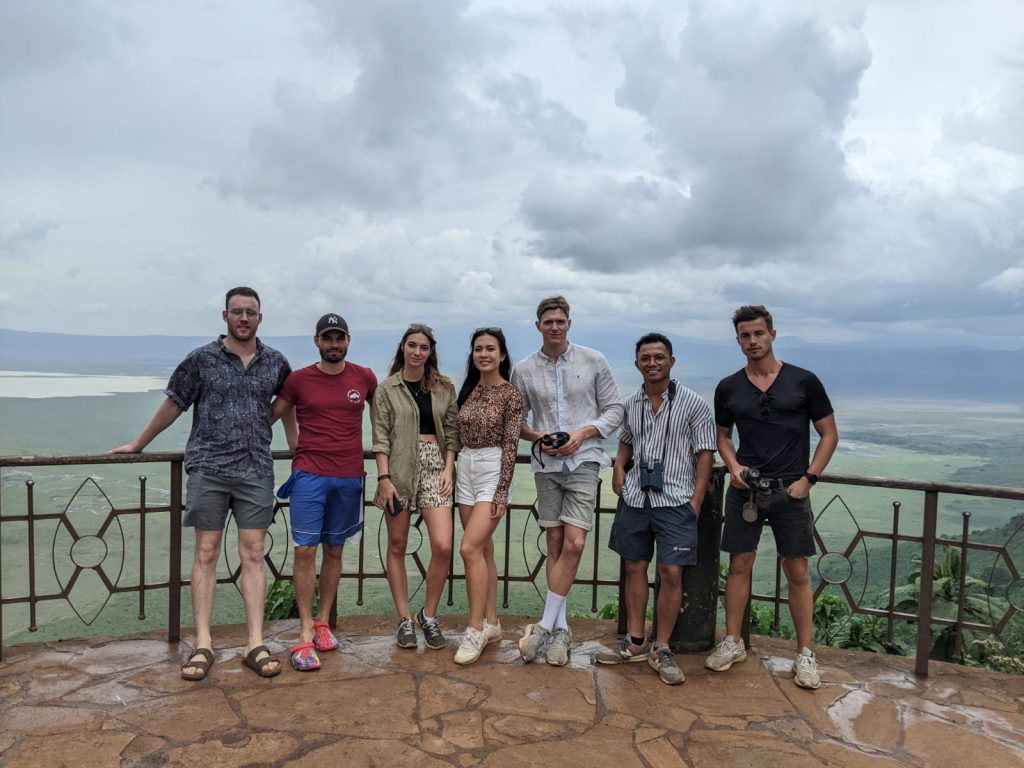
Africa offers many safari experiences, and choosing the right destination depends on your interests.
Popular destinations include:
If your goal is seeing the Big Five, Tanzania and Kenya are excellent choices.
The timing of your safari greatly affects wildlife viewing.
June to October
December to March
Avoid assuming every month offers the same experience. Research your destination before booking.
Choose a licensed safari operator with experienced guides, reliable vehicles, and positive customer reviews.
A good safari company provides:
Reading recent reviews helps you choose a reliable operator.
Packing correctly makes your safari much more comfortable.
Essential Clothing
Avoid bright colors that may disturb wildlife.
Useful items include:
A good pair of binoculars greatly enhances wildlife viewing.
Animals should always be respected.
Remember to:
Responsible tourism protects Africa’s incredible wildlife.
Wildlife is most active during:
Most safaris begin around 6:00 AM because predators are easier to spot before temperatures rise.
You don’t need expensive photography equipment.
Modern smartphones can capture amazing safari memories, but if photography is important, consider:
Dust can be common, so protect your equipment.
African safaris offer accommodation for every budget.
Budget Camping
Mid-Range Safari Lodges
Luxury Tented Camps
Choose accommodation based on your comfort level and budget.
Safari parks are vast.
Daily drives can range from:
Bring snacks, water, and patience because every drive offers opportunities to see wildlife.
Many safaris include visits to local villages.
Be respectful by:
Responsible tourism benefits local communities.
Most lodges accept cards, but cash is useful for:
US Dollars are widely accepted in many safari destinations.
African safaris often involve warm temperatures.
Drink plenty of water throughout the day to stay comfortable and energized.
Travel insurance is highly recommended.
It should cover:
It provides peace of mind during your journey.
Safari guides know animal behavior, park regulations, and safe viewing distances.
Following their advice improves both safety and your overall experience.
Wildlife sightings cannot be guaranteed.
Sometimes you may drive for an hour before seeing lions, while other days they may appear within minutes.
Patience is part of the safari adventure.
The famous Big Five include:
Many visitors also hope to see:
Knowing the animals beforehand makes your safari even more enjoyable.
Help preserve Africa’s natural beauty by:
Conservation ensures future generations can enjoy these remarkable landscapes.
Your first African safari is more than a vacation—it’s an unforgettable journey into some of the world’s most extraordinary landscapes and wildlife habitats. With thoughtful planning, the right safari operator, and a spirit of adventure, you’ll create memories that last a lifetime.
Whether you’re witnessing the Great Wildebeest Migration, photographing elephants at sunset, exploring the Ngorongoro Crater, or experiencing local cultures, Africa offers adventures unlike anywhere else on Earth.
Yes. Most popular safari destinations are very safe when visiting with a licensed safari operator and following your guide's instructions.
Wear neutral-colored, lightweight clothing, comfortable walking shoes, a hat, sunglasses, and a light jacket for cool mornings.
June to October is considered the best period for wildlife viewing, while December to March is ideal for green landscapes, birdwatching, and the calving season in parts of Tanzania.
Pack light with essential clothing, personal items, camera gear, and medications. Soft-sided bags are often preferred, especially for fly-in safaris.
Requirements vary depending on your destination and country of departure. Consult your healthcare provider or a travel clinic well before your trip for personalized advice.
A safari lasting 5–8 days is ideal for first-time visitors, allowing enough time to explore multiple parks and enjoy a relaxed wildlife experience.

Safari Guide Private Safari vs Group Safari: Which is Better for You? Planning a safari in Tanzania is exciting, but…
Safari Guide What to Pack for African Safari (Complete Checklist) Planning an African safari is exciting, but knowing exactly what…

Safari Tour Guide
Expert Tanzania safari specialists offering unforgettable wildlife tours, Kilimanjaro treks, and Zanzibar beach holidays across East Africa.