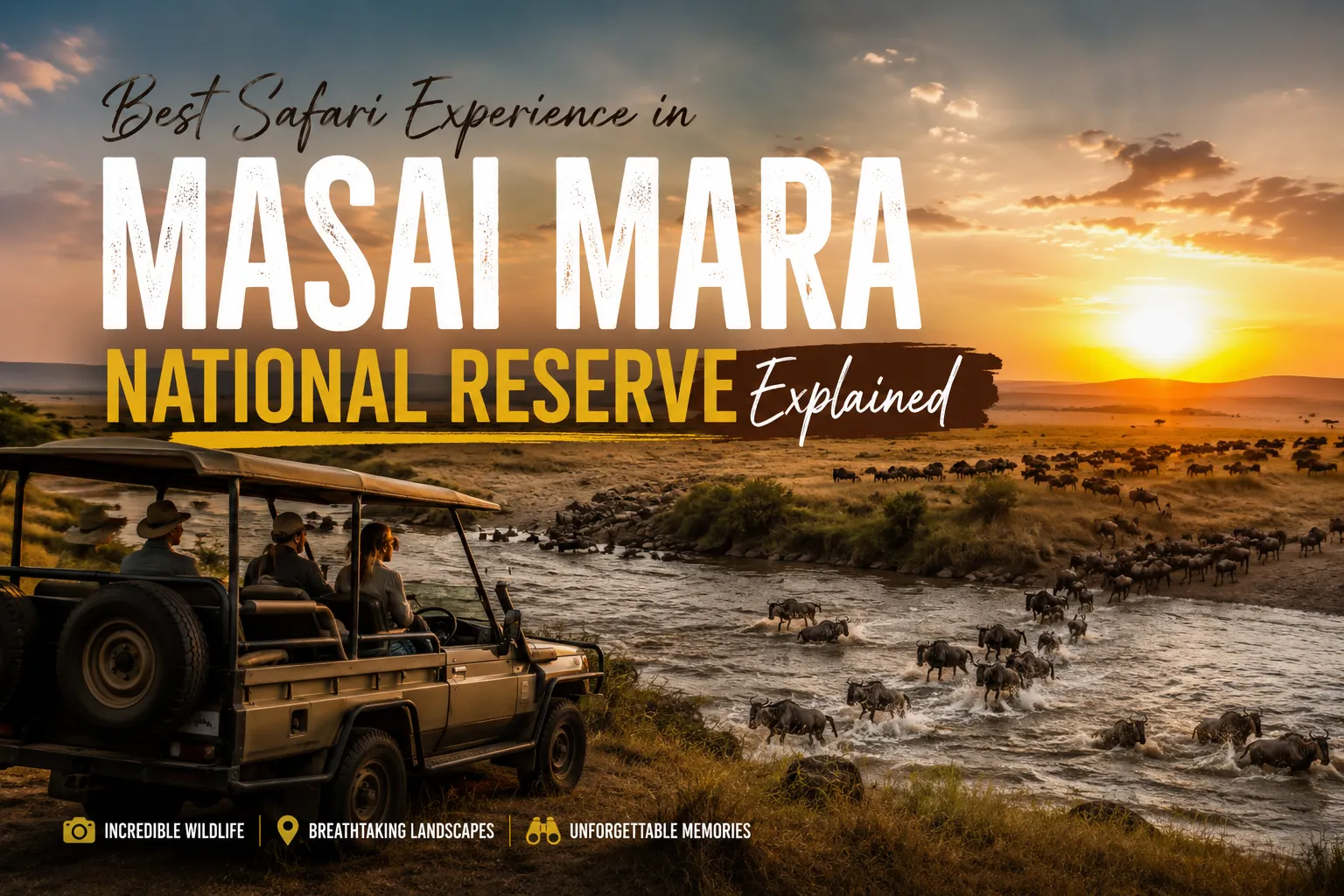
If you are dreaming of an unforgettable African safari, Masai Mara National Reserve should be high on your list. Located in southwestern Kenya, the reserve is famous for its incredible wildlife, open grasslands, big cats, beautiful landscapes, and the spectacular Great Wildebeest Migration.
A safari in Masai Mara is more than simply driving through a wildlife reserve. It is about watching lions move across the savannah, seeing elephants in their natural environment, following cheetahs during a game drive, and experiencing the timeless landscapes of Kenya.
For travelers looking for an authentic Kenya safari experience, Masai Mara offers an excellent combination of wildlife, scenery, culture, and adventure.
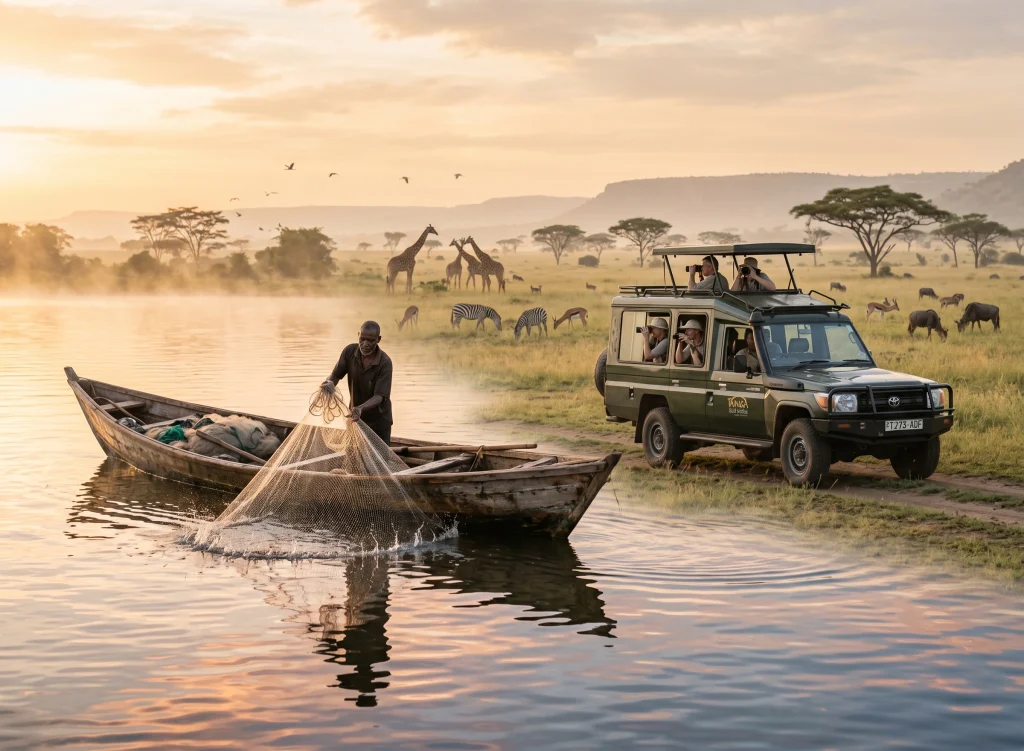
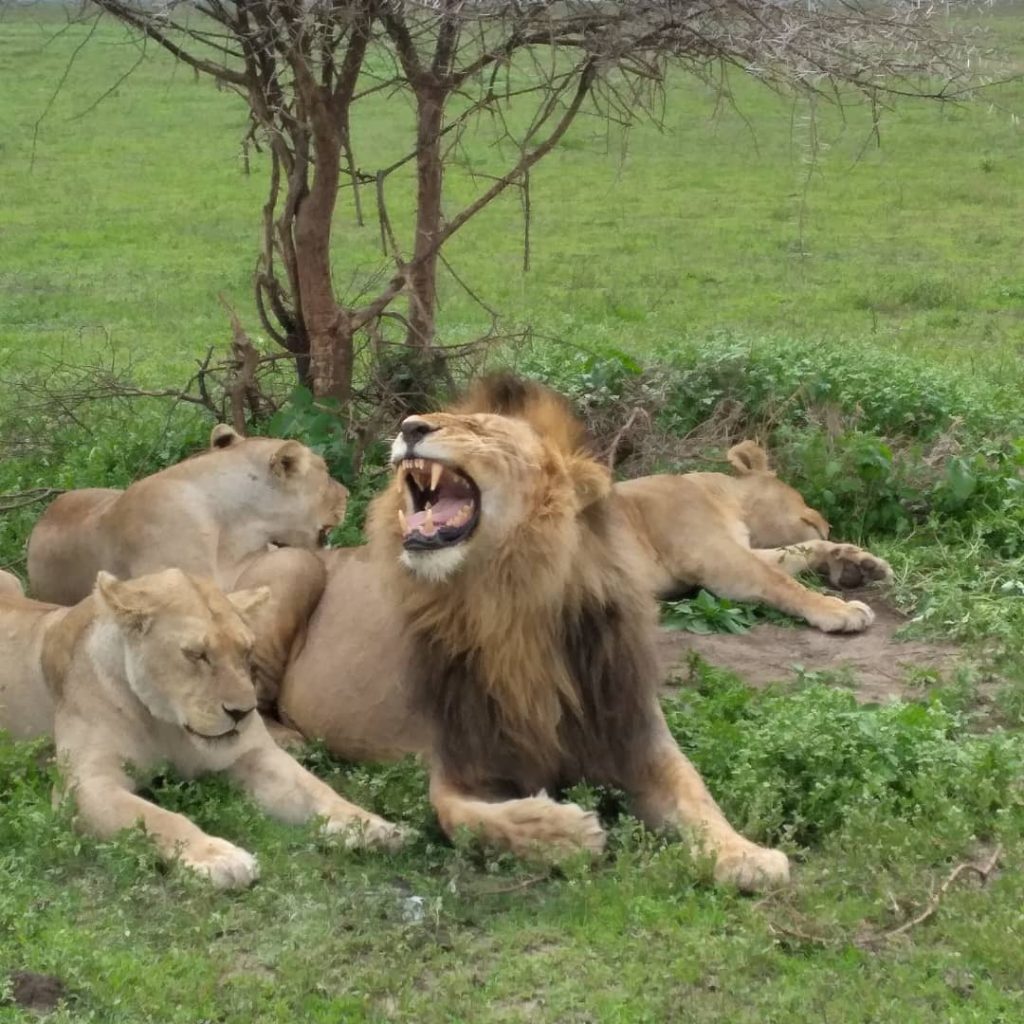
The Masai Mara is particularly attractive because of the combination of abundant wildlife, beautiful landscapes, and excellent opportunities for game viewing.
The reserve is home to large populations of lions, leopards, cheetahs, elephants, buffaloes, giraffes, zebras, wildebeest, and many other species. The open grasslands make it easier to spot animals compared with destinations where dense vegetation can limit visibility.
Another major attraction is the Great Wildebeest Migration, when enormous herds move between Tanzania’s Serengeti ecosystem and Kenya’s Masai Mara in search of fresh grazing and water.
For travelers looking for a classic African safari, the Masai Mara offers an impressive combination of:
The biggest advantage of a Masai Mara safari is the variety of wildlife encounters you can experience during a single trip.
One morning you may watch a pride of lions resting under an acacia tree. Later, you might encounter elephants crossing the plains, giraffes feeding nearby, or cheetahs searching for prey.
The landscape itself also contributes to the experience. Wide-open grasslands provide excellent visibility, while seasonal rivers and vegetation attract large numbers of animals.
Unlike a traditional zoo experience, wildlife encounters in the Masai Mara are unpredictable. Your guide may follow fresh tracks, observe animal behavior, or respond to information from other safari vehicles to locate interesting sightings.
That sense of discovery is one of the reasons travelers remember their Masai Mara safari for years.
The Masai Mara is famous for its exceptional wildlife density.
Some of the animals commonly encountered include:
Lions:
The reserve is well known for its lion population. You may see lions resting during the heat of the day, hunting early in the morning, or interacting with their pride.
Leopards:
Leopards are more elusive than lions and can require patience to find. They are often seen resting in trees or moving through areas of thicker vegetation.
Cheetahs:
The open plains provide ideal hunting grounds for cheetahs. Seeing one sprint across the grassland is among the most exciting experiences on safari.
Elephants:
Elephants can often be observed moving across the plains or feeding near trees and water sources.
Buffaloes:
Large buffalo herds are another common sight and form an important part of the Mara ecosystem.
Giraffes:
Their height makes giraffes relatively easy to spot against the open landscape.
Zebras and Wildebeest:
These grazing animals are especially important during the Great Migration, when huge herds move through the Mara ecosystem.
One of the most popular reasons travelers visit Kenya is the opportunity to see the Big Five: lion, leopard, elephant, buffalo, and rhinoceros.
Masai Mara offers good opportunities to encounter several of these species, particularly lions, elephants, buffaloes, and leopards.
Rhino sightings can be more challenging because they are less numerous and more elusive. Wildlife sightings are never guaranteed, which is part of the authentic safari experience.
A skilled safari guide can significantly improve your chances by understanding animal behavior, tracking signs, and knowing productive wildlife areas.
For many travelers, the Great Wildebeest Migration is the highlight of a Masai Mara safari.
Every year, huge numbers of wildebeest, zebras, and other grazing animals move through the Serengeti-Mara ecosystem. Their movement is driven by rainfall, fresh grass, and water availability.
One of the most dramatic moments is the Mara River crossing. When conditions are right, large groups of wildebeest may gather along the river before attempting to cross.
The scene can be intense. Crocodiles wait in the water while predators may gather nearby, creating one of nature’s most dramatic wildlife spectacles.
However, river crossings are a natural event and cannot be guaranteed on a particular day. The migration follows changing environmental conditions rather than a fixed schedule.
The best time to visit depends on what you want to experience.
July to October is generally popular with travelers interested in the Great Migration and wildlife viewing. During this period, large numbers of wildebeest can move through the Masai Mara ecosystem.
January to February can also offer excellent wildlife viewing, with relatively favorable conditions and fewer crowds in some areas.
The green seasons can bring lush landscapes and excellent photography conditions. They can also offer a different safari experience with fewer visitors.
There is no single perfect month for every traveler. Your ideal travel period depends on whether your priority is migration, wildlife, photography, weather, or budget.
A Masai Mara safari can include more than traditional game drives.
Game drives are the main activity and provide the best opportunity to explore different parts of the reserve.
Early morning drives are particularly rewarding because many animals are active before temperatures rise. Afternoon and evening drives provide another opportunity to observe wildlife and enjoy the changing light.
The Masai Mara is a fantastic destination for wildlife photography.
The open plains, dramatic skies, large animals, and golden light provide excellent photographic opportunities.
For the best results, bring a camera with a suitable telephoto lens, extra batteries, memory cards, and protective equipment for dust.
A cultural visit can provide an opportunity to learn more about Maasai traditions, daily life, crafts, dances, and community practices.
A responsible cultural experience should benefit local communities and respect local customs.
A hot air balloon safari can provide a completely different perspective of the Mara.
Flying above the grasslands at sunrise allows you to see the landscape from the air before returning for a traditional bush breakfast.
This is generally an optional activity and comes at an additional cost.
A typical safari day starts early.
After breakfast or an early morning departure, you head into the reserve with your safari guide. The cooler morning temperatures often provide excellent wildlife-viewing conditions.
You may spend several hours exploring different areas, stopping for photographs and observing animal behavior.
Depending on the itinerary, you may return to the lodge or camp for lunch and relaxation before heading out again for an afternoon game drive.
A sunset over the Mara plains can be the perfect way to finish the day.
Accommodation options range from comfortable safari camps to luxury lodges.
Your choice depends on your budget, preferred level of comfort, location, and safari style.
Luxury properties can offer spacious rooms, excellent dining, private services, swimming pools, and premium safari experiences.
Mid-range camps and lodges can provide comfortable accommodation while keeping the overall safari cost more manageable.
For migration-focused trips, location is especially important. Staying in a strategically positioned area can reduce unnecessary driving and provide better access to wildlife areas.
For a first visit, 2 to 3 nights can provide a good introduction to the reserve.
A longer stay gives you more opportunities to explore different areas and increases the possibility of experiencing a wider range of wildlife encounters.
If you are combining Masai Mara with Tanzania, you can create a longer Kenya-Tanzania safari covering destinations such as the Serengeti, Ngorongoro, Lake Nakuru, Ol Pejeta, Naivasha, and Amboseli.
This type of itinerary is ideal for travelers who want to experience more of East Africa in one journey.
Pack practical and comfortable clothing suitable for outdoor travel.
Recommended items include:
Early mornings can be surprisingly cool, so carrying a warm jacket is highly recommended.
Before booking, consider the type of experience you want.
Ask yourself:
A good itinerary should balance travel time, game drives, accommodation, and wildlife experiences rather than trying to visit too many destinations in a short period.
For travelers with enough time, combining Kenya and Tanzania creates a remarkable East African safari.
The Masai Mara and Serengeti are part of the same larger ecosystem and are connected by the seasonal movement of wildlife.
A combined safari can allow you to experience:
This gives travelers a broader view of East Africa’s landscapes, wildlife, cultures, and conservation areas.
African Chitah Limited offers Tanzania-Kenya safari journeys for travelers who want to combine these iconic destinations into one carefully planned adventure.
The Masai Mara National Reserve offers one of Africa’s most memorable wildlife experiences. From lions resting beneath acacia trees to elephants crossing the savannah and spectacular wildebeest movements, every game drive brings the possibility of something extraordinary.
Whether you are planning your first African safari, a wildlife photography trip, a family adventure, or an extended Kenya-Tanzania journey, the Masai Mara can be an unforgettable part of your itinerary.
For travelers looking to explore Kenya and Tanzania together, African Chitah can help create a safari itinerary based on your preferred destinations, travel dates, accommodation style, and budget.
Ready to explore the Masai Mara? Plan your Kenya and Tanzania safari with African Chitah Limited and turn your African travel dream into a memorable adventure.
July to October is particularly popular for wildlife viewing and the Great Migration, while other seasons can also provide excellent safari experiences.
Yes, Masai Mara provides opportunities to see lions, leopards, elephants, buffaloes, and rhinos, although wildlife sightings can never be guaranteed.
A 2- to 3-night safari is a good starting point, while longer stays allow more time for game drives and exploration.
Yes. The Masai Mara is one of the key destinations for experiencing the northern part of the Great Wildebeest Migration, including possible Mara River crossings.
Pack lightweight clothing, warm layers for mornings, comfortable shoes, sunscreen, a hat, insect repellent, binoculars, and camera equipment.
Yes. Combining Masai Mara with destinations such as Serengeti and Ngorongoro creates an excellent Kenya-Tanzania safari experience.

Safari Guide Private Safari vs Group Safari: Which is Better for You? Planning a safari in Tanzania is exciting, but…

Safari Guide What to Pack for African Safari (Complete Checklist) Planning an African safari is exciting, but knowing exactly what…

Safari Tour Guide
Expert Tanzania safari specialists offering unforgettable wildlife tours, Kilimanjaro treks, and Zanzibar beach holidays across East Africa.